If you are weighing up group activities against one to one support, you are asking a good question. They are both great, they just do different jobs. Here is an honest guide to what each one offers, how they differ on funding, and how to work out which fits, or whether a bit of both is the answer.
A quick note first. We are a social crew, not a plan manager. This is a friendly overview to help you think it through. For your own plan and budget, your coordinator or plan manager is the one to ask.
What group activities are best for
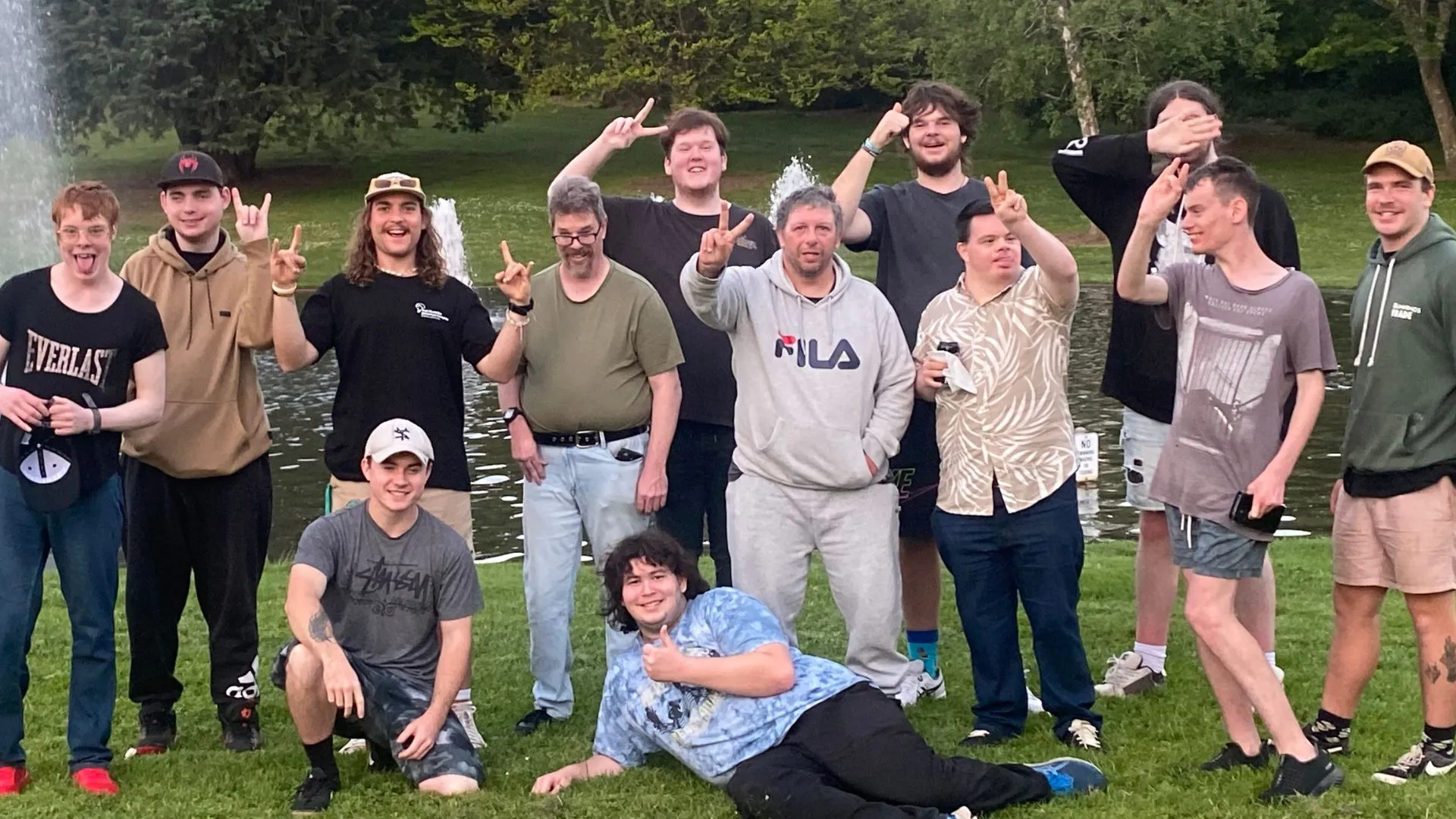
Group activities are our heart, and they are where the magic happens for most people. They are best for:
-
Making mates and building a real social life
-
Trying new things with a crew around you
-
Confidence that grows from being part of something bigger
-
Big days out, social nights and shared adventures
-
Getting more out of your funding, since costs are shared
If the main goal is connection and fun, group is where it is at. You are not just attending something, you are joining a crew. And that sense of belonging is what everything else grows from.
What one to one support is best for
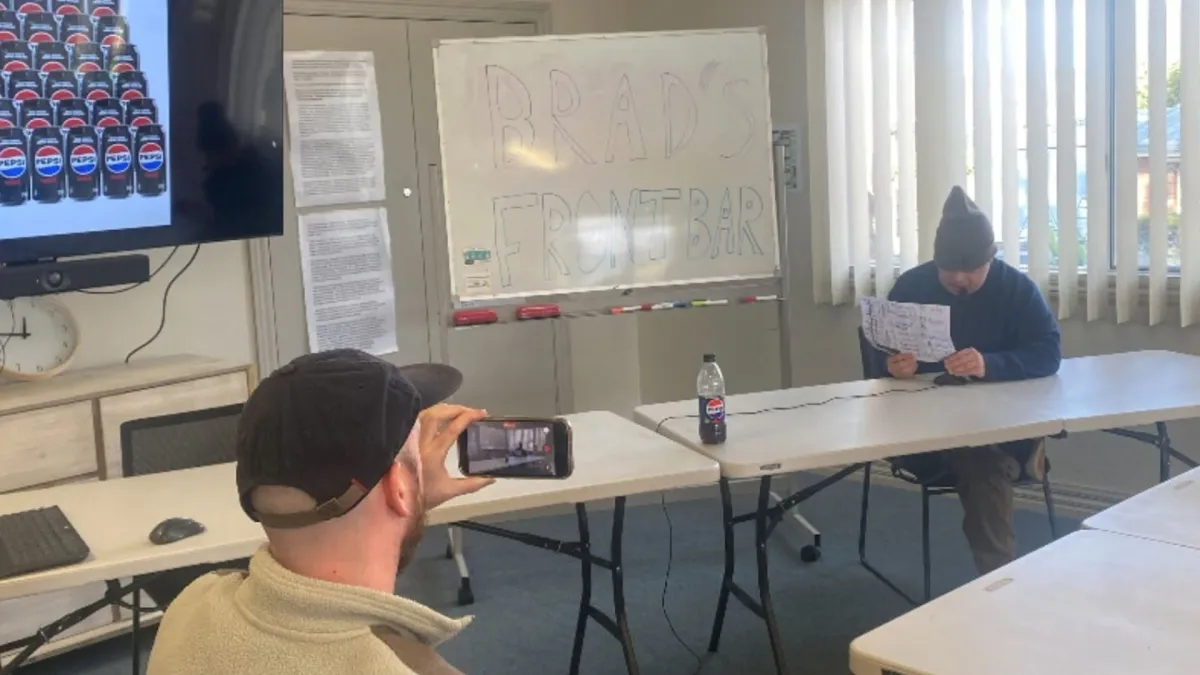
One to one support is one participant paired with one support worker, built entirely around what that person wants to work on. It is best for:
-
Focused work on a specific skill or goal
-
Support at your own pace, without a group
-
A steady, familiar face rather than a crowd
-
Help with appointments, tasks or getting out of the house
-
Building up confidence in a quieter setting first
If the goal is a particular skill, like catching public transport or cooking, or if a group feels like a lot right now, one to one is the go. It is calmer, more personal, and it moves entirely at your pace.
The funding difference
This is where it gets practical. Group activities usually cost less per person than one to one support, because one support worker is there for several people rather than just one. So the same funding goes further in a group.
One to one costs more per hour, because you have got a support worker all to yourself. That is not a bad thing, it is just the trade off. You are paying for focused, personal support. For a specific goal, that focus is exactly what you want. For general social connection, group gives you more for your money.
→ ndis.gov.au — the official scheme site

Why not both?
Plenty of people do both, and they feed each other beautifully. Someone might build confidence one to one, then bring it into a group. Or make mates in a group, then work on a personal goal one to one. There is no rule that says pick one and stick with it.
How to decide
A simple way to think about it. Ask what the main goal is right now.
-
If it is mates and a social life, lean group
-
If it is a specific skill or a quieter start, lean one to one
-
If it is both, do both, and adjust as things grow
And if you are genuinely not sure, that is completely fine. That is a conversation we have with people all the time, and we can help you work it out and change it as you go.
A couple of examples
To make it real. Someone who is desperate for mates and a bit of fun, but does not want to travel solo yet, might do a group day out for the social side and a little one to one travel practice on the side. Someone who is quite shy and wants to build up slowly might start one to one, then join a group once they are ready. There is no single right answer, just the right fit for the person.
How it works with us
We match the support to the person, not the person to a template. Whether that is group, one to one, or a mix, we help you find the fit and change it as things grow. If you are weighing it up, have a chat with us and we will talk it through honestly.
Give us a call on 1800 319 581 or email Hello@tdacvic.com.
Common questions
Is group or one to one cheaper?
Group is usually cheaper per person, because one support worker is there for several people. One to one costs more per hour but gives you focused, personal support.
Can I switch between them?
Yes. Lots of people start one to one to build confidence, then move into group. Or do both. Your funding is not locked to one forever.
Which is better for making friends?
Group, hands down. It is built around connection and a crew. One to one is better for focused personal goals.
Which is better for building a specific skill?
One to one, usually, because it is personal and paced to you. Though plenty of skills get picked up naturally in a group too.
How do I know which my funding covers?
Your plan and how it is managed decide what is available. Your coordinator or plan manager can tell you, and we can help you think through the fit.
Because the right support is the one that actually suits you.
Sign up to our mailing list HERE